
Dental Bone Grafting
The effects of tooth loss can extend beyond the visible gap. After a tooth is removed, the bone that once supported it gradually shrinks as the area heals. Over time, this can reduce both the height and width of the jawbone where the tooth was lost.
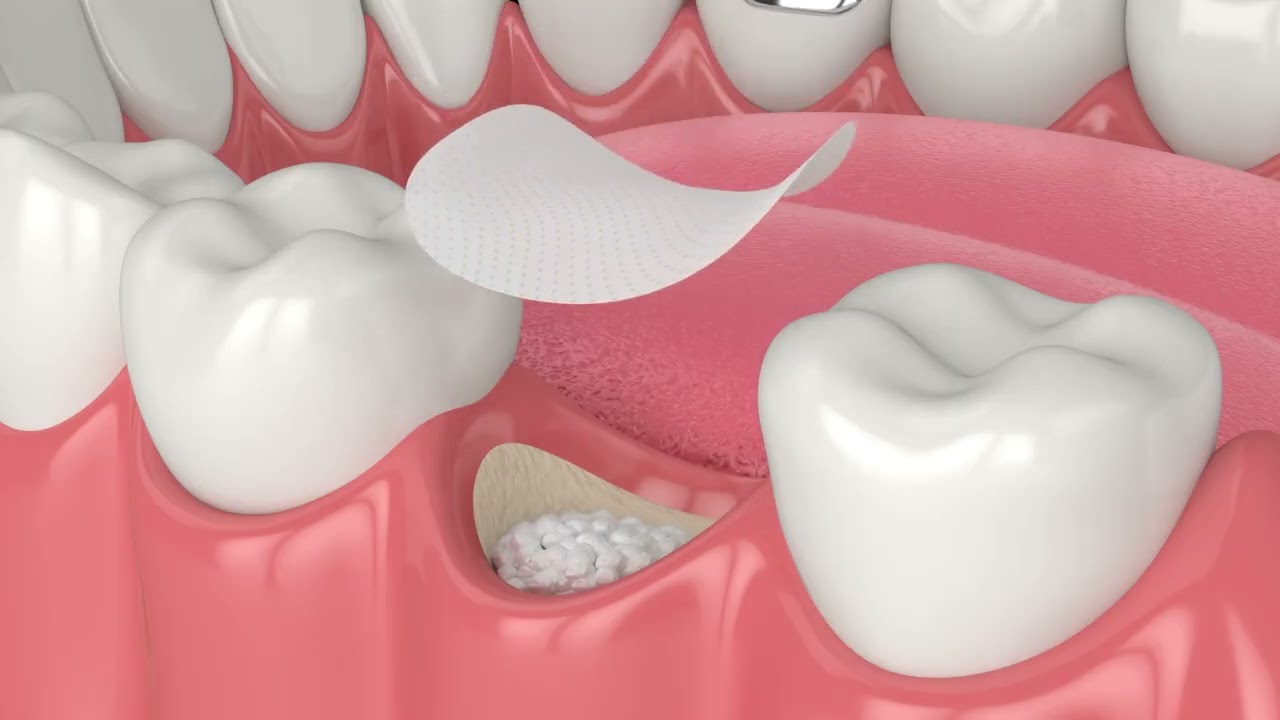
Bone grafting rebuilds the jawbone, creating a strong foundation for dental implants and helping preserve the natural shape of your face.

Bone Grafting Explained
Rebuilding bone requires more than just filling a space. It requires guidance. When graft material is placed into an area of bone loss, it holds the space open so surrounding tissue doesn’t collapse into it. Depending on the material used, it may release biological signals that attract your body’s own bone-forming cells into the area.
Over several months, the graft acts as a scaffold as the bone-forming cells migrate in and begin depositing new bone. The graft material slowly dissolves as new bone takes its place. By the time healing is complete, the original graft is gone and what remains is your own natural bone.


When Bone Grafting is Needed
Bone loss, also known as atrophy or bone resorption, worsens over time if not addressed. Recognizing the causes and consequences early makes treatment simpler and outcomes more predictable.
Common Reasons for Bone Grafting
- Insufficient bone volume for dental implants
- Bone loss around existing teeth
- Defects from injury or jaw fractures
- Jaw cysts or tumors requiring reconstruction
- Congenital conditions such as cleft lip and palate
- Loss of jaw anatomy or contour
How Bone Loss Affects You
- Loose or shifting teeth
- Gum recession around existing teeth
- Dentures that no longer fit or stay in place
- Difficulty chewing or eating
- Sunken cheeks, thinning lips, or changes in facial appearance
- Inability to support dental implants
Risks of Untreated Bone Loss
- Permanent loss of jaw height and width
- Progressive tooth loss
- Declining chewing efficiency
- Inability to retain dentures
- Inability to support dental implants
- Collapse of facial support around the mouth and lips
Specialized Bone Grafting Procedures in Western NC
A healthy jaw bone is the foundation that supports your teeth, your bite, your facial structure, and your long-term oral health. When bone is lost, that foundation deteriorates.
At Rockcliff Oral & Facial Surgery, our providers manage the full spectrum of bone loss, from single-tooth defects to complex reconstruction following trauma, jaw pathology, and advanced dental disease.

Types of Reconstructive Bone Grafting
No two cases of bone loss are the same. The type of bone graft you need depends on the location and extent of the bone loss, as well as your treatment goals. Our surgeons will recommend the approach that offers the most predictable bone growth and delivers stable, long-lasting results.
Socket Preservation
After a tooth is removed, the surrounding bone naturally shrinks as the area heals. Socket preservation places graft material into the extraction site to help maintain the height and width of the bone, preserving the foundation needed for future dental implants and tooth replacement.
Ridge Augmentation
Once bone has been significantly lost, ridge augmentation is necessary to rebuild the height and width of the jaw. This procedure restores the volume needed to support dental implants and creates a stable foundation for long-term function and appearance.
Sinus Lift
When upper back teeth are lost, the sinus can expand downward into the space, leaving too little bone to place an implant. Your surgeon raises the sinus floor and places bone graft material beneath it, encouraging your body to grow the new bone needed for stable implant placement.
Traumatic Defects
Facial injuries can damage or destroy portions of the jaws, altering chewing and speech while impacting the contour and symmetry of the face. Bone grafts can help rebuild the lost structure, restoring jaw function and facial shape.
Pathologic Jaw Defects
Cysts and tumors of the jaw can destroy significant bone as they grow. The resulting defect leaves the jaw weakened and unable to support normal function. Bone grafting rebuilds these areas, restoring strength, contour, and the ability to chew, speak, and support future treatment.
Cleft Bone Graft
Children born with a cleft lip and palate often have a gap in the upper jawbone. An alveolar bone graft fills this gap, creating a unified bony arch and a stable foundation for the nose. Treatment is timed around dental development and coordinated with orthodontic care to help permanent teeth grow in and move into proper position.
Where Does the Bone Come From?
Bone graft material can come from several sources. Your surgeon will recommend the most appropriate option based on your specific needs and the area being treated.
Your Own Bone (Autogenous)
Bone harvested from your own body is considered the gold standard for bone grafting. It contains living bone-forming cells, growth factors, and a mineralized structure that acts as a framework for bone formation. Because it comes from you, it integrates readily and has the strongest potential for new bone formation. The tradeoff is a second surgical site, which adds additional procedure time, more discomfort, and longer recovery.
Donor Bone (Allograft)
The majority of bone grafts used for jaw reconstruction come from individuals who have donated their bodies to medicine. The bone is processed and tested by a certified tissue bank. This graft material provides a framework to guide bone formation and is replaced by natural bone over time. Donor bone is used in a variety of medical and dental settings, including spinal fusions and orthopedic surgery.
Animal-Derived Bone (Xenograft)
Typically derived from cow or pig sources, these graft materials are specially processed for safe clinical use. Animal-derived bone primarily provides structural support and volume maintenance rather than stimulating active bone formation. The graft material dissolves slowly, and residual graft granules can remain incorporated within the healed bone long-term.
Synthetic Materials (Alloplast)
Synthetic graft materials primarily provide structural support rather than actively stimulating new bone formation. Depending on the material, the graft may slowly resorb and be replaced by native bone, partially remain incorporated within the site, or persist long-term as inert particles embedded in the healed area.

Bone Grafting & Regenerative Medicine
Bone grafting is a form of regenerative medicine — an approach that encourages the body to heal and rebuild its own tissue. Instead of simply replacing lost tissue with synthetic materials, regenerative techniques stimulate the body’s natural ability to generate new, living tissue and bone.
Bone grafting is frequently used throughout facial reconstruction to rebuild areas affected by trauma, pathology, congenital deformity, or severe tooth and bone loss. In many cases, successful reconstruction depends on restoring enough healthy bone to support long-term function and rehabilitation.
To enhance healing and improve graft success, our surgeons may incorporate a variety of advanced techniques, including:
Specialized Bone Grafting Care at Rockcliff
Bone grafting requires more than surgical technique. It demands a thorough understanding of facial anatomy, bone biology, and long-term treatment planning.
Our surgeons are trained in reconstructive surgery of the jaws and face, managing everything from routine socket preservation to some of the more complex jaw reconstructions in Western North Carolina.
With in-office surgical suites, advanced imaging, and access to hospital-based care at Mission Hospital in Asheville, we provide the appropriate level of care for every case.
At Rockcliff, your care is managed by a board-certified oral and maxillofacial surgeon working in close partnership with your dentist and other specialists. Each member of your team plays a key role in planning, performing, and supporting your treatment from start to finish.

Insurance & Financing Options for Bone Grafting
Bone grafting may be covered by dental or medical insurance depending on the reason for treatment, such as dental implants, trauma, or pathology.
Our team will review your benefits, assist with preauthorization when needed, and provide a clear understanding of your treatment costs. To help you manage out-of-pocket costs, flexible financing options are also available through CareCredit and Sunbit to help make care more accessible.



Bone Grafting FAQs
Bone grafting raises a lot of questions. Here are answers to the ones we hear most.

